HCI Overview: Theories & Methods
Alex Steiner
2017-06-22
Introduction
About me
- MEi:CogSci cohort of 2015, Vienna
- Before: Software & Information Engineering, TU Vienna
- Interdisciplinary interest in Social and Cultural Anthropology and Science and Technology Studies
- Thesis in HCI, but still in planning stage
What is Human-Computer Interaction?
- Study of computer use and design of computer systems
- Associated with Computer Science, but interdisciplinary in nature
- Historical connection with Cognitive Science
Why should you care?
- Lots of interesting research opportunities
- Practical application of CogSci concepts
- Recent developments mirror trends in CogSci
The Three Waves of HCI
- Paradigms for thinking about users
- Different viewpoints suggest different questions and methods
- New viewpoints necessitated by technological advancement, but old ones not invalidated
First Wave 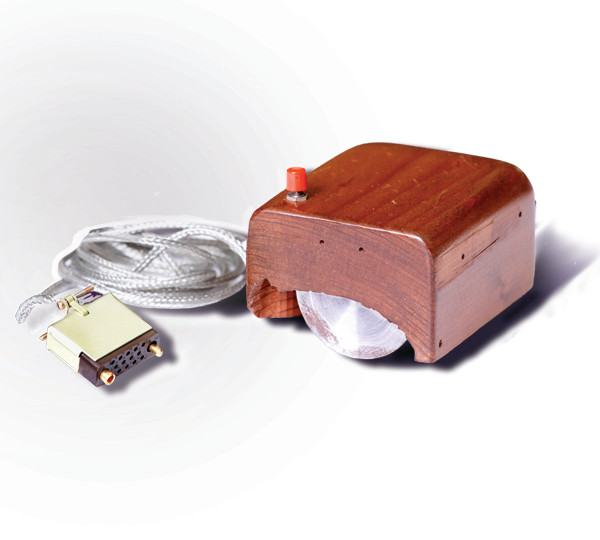
1st 🌊 starting point
- Mainframes, embedded systems, desktop computers
- Engineering, Ergonomics, Classical CogSci [3]
- User and computer as coupled information processing systems [4]
1st 🌊 methodology
- Build and try, Controlled Experiments
- Optimize individual task performance
- Problem: focused on generalizing; ignores the situation of interaction [3]
1st 🌊 and CogSci
- Concepts of cognitive science very practical
- Analogies between human and computer information processing [4]
- Controlled experiments good match to cognitive psychology
Second Wave 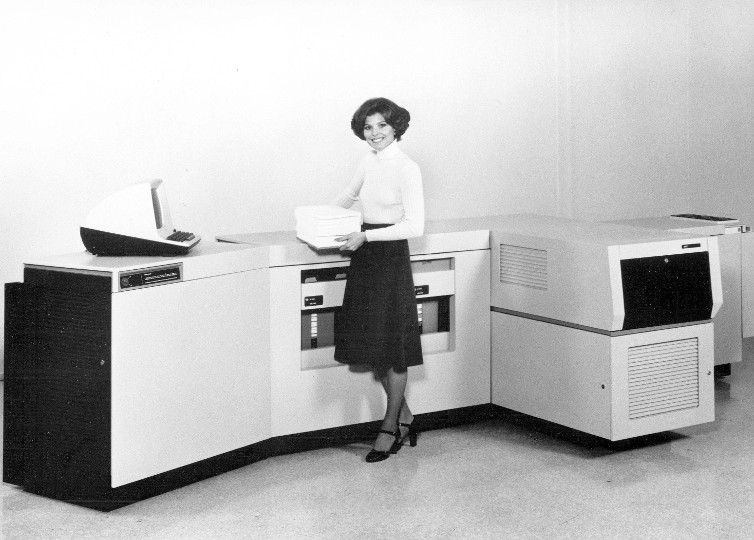
2nd 🌊 starting point
- Desktop computer becoming standard in work environments
- Groups of users and applications instead of individuals [7]
- Users and applications in "work settings and well-established communities of practice." [8]
2nd 🌊 methodology
- Users are studied in the workplace [8]
- Optimize group task performance
- Problem: focused on work and task-oriented action [7]
2nd 🌊 and CogSci
- Situated Action, Distributed Cognition, Activity Theory [8]
- Meaning-making in context is explored
- Information processing in systems rather than individuals
Third Wave 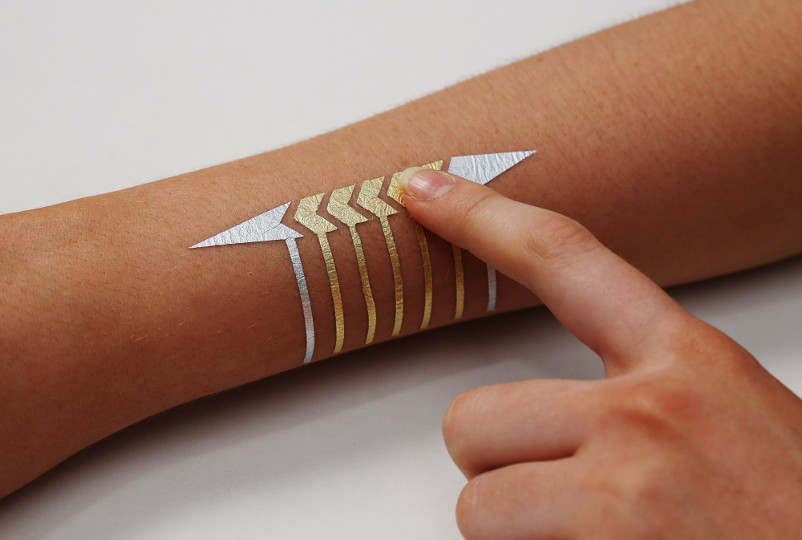
3rd 🌊 starting point
- Smartphone, wearables, embedded devices
- Move from task-oriented work environments to more chaotic everyday lives [7]
- Users in a technology-infused world
3rd 🌊 methodology
- Experience and meaning-making instead of efficiency [7]
- Connections to Anthropology, Ethnomethodology and Art [8]
- Diverse, often qualitative, methods
3rd 🌊 and CogSci
- Embodiment / enactivism: HCI is enacted, users and devices have bodies in relation to an environment
- Emotion: users' emotions and experience are an important part of computer use
- Situated Action: expanded context
Conclusion
Conclusion
- 1st wave: user and computer
- 2nd wave: user and computer in work environment
- 3rd wave: user and computer in the world
Conclusion
- Different perspectives, different questions, different methodologies
- Choose what is appropriate for the problem at hand
- Lots of connection points with CogSci
Bibliography
[1] “File:SRI Computer Mouse.Jpg - Wikipedia.” [Online]. Available: https://en.wikipedia.org/wiki/File:SRI_Computer_Mouse.jpg#filelinks. [Accessed: 22-Jun-2017].

[2] D. C. Engelbart and W. K. English, “A research center for augmenting human intellect,” in Proceedings of the December 9-11, 1968, fall joint computer conference, part I, 1968, pp. 395–410.
[3] L. Bannon, “From human factors to human actors: The role of psychology and human-computer interaction studies in system design,” presented at the Design at work, 1992, pp. 25–44.
[4] S. Harrison, D. Tatar, and P. Sengers, “The three paradigms of HCI,” in Alt. Chi. Session at the SIGCHI Conference on Human Factors in Computing Systems San Jose, California, USA, 2007, pp. 1–18.
[5] “DigiBarn Printers: The Story of the Xerox 9700 Electronic Printing System.” [Online]. Available: http://www.digibarn.com/collections/printers/xerox-9700/. [Accessed: 22-Jun-2017].
[6] L. Suchman, Human-machine reconfigurations: Plans and situated actions. Cambridge University Press, 2007.
[7] S. Bødker, “When Second Wave HCI Meets Third Wave Challenges,” in Proceedings of the 4th Nordic Conference on Human-computer Interaction: Changing Roles, 2006, pp. 1–8.
[8] S. Bødker, “Third-wave HCI, 10 Years Later—participation and Sharing,” interactions, vol. 22, no. 5, pp. 24–31, Aug. 2015.
[9] H.-L. C. Kao, C. Holz, A. Roseway, A. Calvo, and C. Schmandt, “DuoSkin: Rapidly prototyping on-skin user interfaces using skin-friendly materials,” in Proceedings of the 2016 ACM International Symposium on Wearable Computers, 2016, pp. 16–23.